
Peyia and Sea Caves: Where Paphos Goes Quiet and the Coast Turns Wild
Peyia is a hillside town fifteen kilometres from Paphos; Sea Caves is its coastal district, where western Cyprus's most exclusive detached villas sit against a Natura 2000 shoreline. What the area offers, and what buying beside a protected coast actually involves.
By Blue Azul Developers
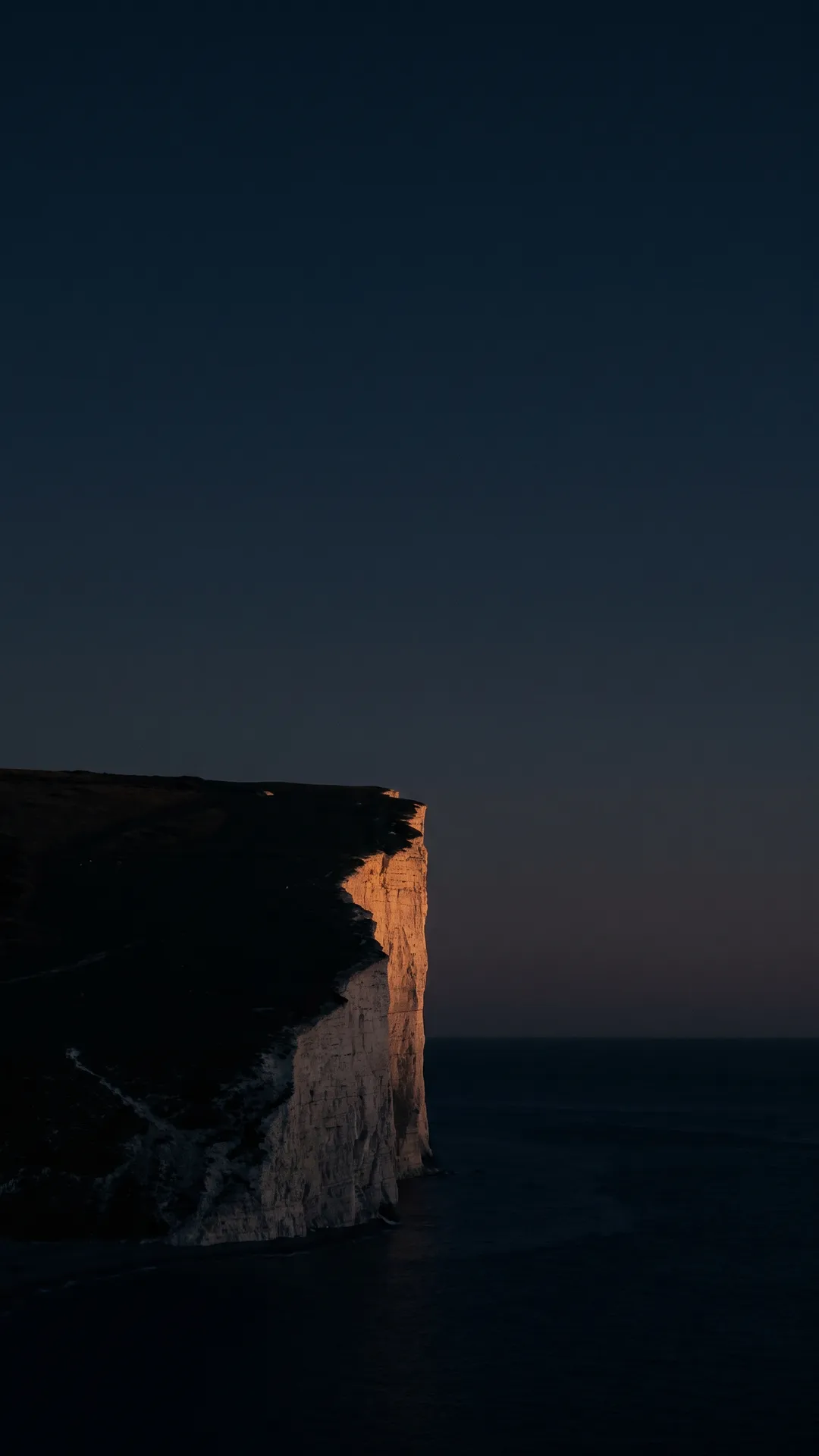
Peyia is a hillside town around fifteen kilometres north-west of Paphos, and its coastal district — Sea Caves — carries the most exclusive detached-villa stock in western Cyprus: low-density, sea-facing plots on a wild limestone shoreline that ends at the protected Akamas peninsula. If Coral Bay is where Paphos holidays, Sea Caves is where it goes quiet.
The combination is unusual for the Mediterranean. A working town of just under 7,000 residents — two thirds of them non-Cypriot — sits at roughly 200 metres on the hillside, while below it the coast is dramatic enough to have earned European-level environmental protection. That protection is precisely what keeps the villa stock scarce, and scarcity is what this market trades on. It also imposes obligations a buyer should understand before falling for the sunset.
What is the difference between Peyia town and the Sea Caves coast?
They are two distinct places within one community. Peyia town is the working centre: a hillside settlement built at an altitude of around 200 metres, with a village square, tavernas, schools, supermarkets and a town hall that ran Peyia as its own municipality from 1994 until July 2024, when the local government reform folded it into the new Akamas municipality alongside Kissonerga, Kathikas, Akoursos, Ineia and Pano and Kato Arodes. From the slopes, the views run across the west coast and back towards Paphos — the elevation is the town's defining asset.
Sea Caves is the coastal district below and to the west, named for the wave-cut caves in the limestone shore. It is almost entirely residential: detached villas on generous plots, no hotel strip, no promenade, and the rusting silhouette of the Edro III shipwreck offshore as its unofficial landmark. Peyia's own area is large — some 4,500 hectares reaching north to Lara Bay — which is why "buying in Peyia" can mean anything from a village house to a clifftop villa. The distinction matters when comparing prices.
Why does the luxury villa market concentrate in Sea Caves?
Because the coast is genuinely finite. The shoreline from Coral Bay up towards Ayios Georgios is one of the few stretches of western Cyprus where large, sea-facing plots exist at all, and environmental protection has kept density low: no apartment blocks on the waterfront, no resort infrastructure, and planning scrutiny that has intensified rather than relaxed over time. The result is a market of detached three- to five-bedroom villas — many with pools and uninterrupted sea views — rather than volume stock.
Demand is correspondingly specific. Peyia's 2021 census recorded 65.5 per cent of residents as non-Cypriot, one of the highest shares on the island, with a long-established British community at its core; Sea Caves in particular draws buyers who want privacy and open horizons within a short drive of full amenities. For a premium developer, it is the natural Paphos address for one-off, architecture-led houses — the opposite of the identikit coastal strips further south.
What does the Akamas peninsula mean for the area?
The Akamas is the wild headland that closes the coast a few kilometres north of Sea Caves, and it is the area's permanent guarantee against sprawl. Its habitats are protected under the EU Birds and Habitats Directives as part of the Natura 2000 network, and the state forest land — covering most of the Natura 2000 area — has been declared the Akamas National Forest Park. Lara Bay, at the northern edge of Peyia's own municipal area, is a nesting beach for sea turtles.
For an owner in Sea Caves, the practical meaning is simple: the empty coastline in the view is not awaiting development. Walking trails, Lara's beaches and the Avakas Gorge are minutes away, and the land between remains, by law, largely as it is. Few premium coastal markets anywhere in Europe can offer that assurance.
How practical is daily life in Peyia and Sea Caves?
More practical than the wildness suggests, though a car is essential — there is no meaningful public transport and the district is built around driving. Coral Bay, with its Blue Flag beach, supermarkets, banks, pharmacies and restaurants, is a few minutes from most Sea Caves addresses; Peyia town adds schools, a medical centre and year-round village life. Paphos centre is roughly fifteen kilometres away — around twenty to twenty-five minutes — which puts the town's private hospitals, marina-front dining and English-curriculum private schools, including the International School of Paphos, within a manageable school run. Paphos International Airport is approximately half an hour's drive.
The trade-off is deliberate. Sea Caves has no nightlife and little commerce of its own; evenings are sunsets and cicadas. Buyers who want resort energy at the doorstep should look at Coral Bay or Kato Paphos instead.
What should buyers know before purchasing near the sea caves?
That this is a coast with rules, and the rules are the point. The sea caves shoreline is within the Natura 2000 network as both a Site of Community Interest and a Special Protection Area, sits inside Cyprus's 92.3-metre Beach Protection Zone, and is a habitat for the Mediterranean monk seal, a species still listed as vulnerable. Development close to the caves has been genuinely contentious — the Cyprus Mail documented public opposition, ministerial intervention and proposed restrictions on coastal building when a cluster of seafront villa projects was authorised in 2017–18 — and coastal erosion is a live concern on the frontline plots.
The practical guidance follows directly. Verify the planning zone, building coefficient and any environmental conditions attached to a specific plot before committing, through an independent lawyer; treat the protection zones as a permanent feature of ownership, not a formality; and weigh frontline drama against second-line resilience — many of the best addresses sit slightly elevated, with the same views and none of the erosion exposure. Bought with open eyes, the protections are what underwrite the area's long-term scarcity value.
- Is Sea Caves in Peyia a good place to buy a villa?
- For buyers who want privacy, sea views and low-density surroundings, it is arguably the strongest villa address in western Cyprus: detached houses on large plots, a protected coastline that cannot be built out, and Coral Bay's amenities a few minutes away. It suits buyers with a car and a preference for quiet; it does not suit anyone wanting walkable nightlife or resort facilities.
- Can you build on the coast near the Peyia sea caves?
- Only within strict limits. The sea caves shoreline is a Natura 2000 site (Site of Community Interest and Special Protection Area), falls within Cyprus's 92.3-metre Beach Protection Zone, and shelters the endangered Mediterranean monk seal. Seafront projects there have faced public opposition and additional environmental conditions, so any purchase close to the caves should start with an independent check of the plot's planning zone and permits.
- How far is Peyia from Paphos and the airport?
- Peyia is roughly fifteen kilometres north-west of Paphos centre — about twenty to twenty-five minutes by car — and Paphos International Airport is approximately half an hour's drive. Coral Bay beach is a few minutes from most Sea Caves addresses. A car is essential for daily life.
- Is Peyia popular with expats?
- Yes — unusually so even by Paphos standards. At the 2021 census, 65.5 per cent of Peyia's roughly 6,900 residents were non-Cypriot, with a long-established British community. English is spoken everywhere, and the town supports year-round expatriate life rather than only a summer season.
- Union of Cyprus Municipalities — Pafos District: Peyia municipality profile (area, altitude, distance from Paphos)
- City Population — Pégeia municipality, Census of Population and Housing 2021 (population and citizenship breakdown)
- Cyprus Mail — Why all the fuss about Peyia's sea caves? (March 2018; Natura 2000 status, Beach Protection Zone, monk seal, development controversy)
- BirdLife Cyprus — What is Akamas to you? (Natura 2000 designation and Akamas National Forest Park)
- Wikipedia — Pegeia (geography, community, landmarks)
- The Best Areas to Buy Property in Paphos: A District-by-District GuideKato Paphos for rental income, Coral Bay and Peyia for villa lifestyle, Konia and the hill villages for year-round living — a candid district-by-district guide to where each type of buyer should look in Paphos, drawbacks included.
- Coral Bay, Paphos: An Area Guide for BuyersCoral Bay pairs a Blue Flag beach with the most established villa market on the Paphos coast — and empties noticeably each winter. Where it is, what the property stock looks like, and who it actually suits.